Buy journaldescasinos.eu ?
We are moving the project
journaldescasinos.eu .
Are you interested in purchasing the domain
journaldescasinos.eu ?
domain@kv-gmbh.de · 0541-91531010
Buy journaldescasinos.eu ?
Can one mix the passé composé and the passé simple in a story?
Yes, it is possible to mix the passé composé and the passé simple in a story. The passé composé is commonly used in spoken French and in modern literature to express actions that are completed in the past, while the passé simple is used in formal writing to narrate specific events or actions that occurred in the past. Mixing these two tenses can add complexity and depth to a story, creating a more dynamic and engaging narrative. However, it is important to use them appropriately to maintain coherence and clarity in the storytelling. **
Can you mix the passé composé and the passé simple in a story?
Yes, it is possible to mix the passé composé and the passé simple in a story. The passé composé is commonly used in spoken French to talk about completed actions in the past, while the passé simple is more commonly used in written French to narrate past events. Mixing these two tenses can add complexity and richness to a story, providing a balance between the immediacy of the passé composé and the narrative distance of the passé simple. This combination can create a dynamic and engaging storytelling style. **

Similar search terms for Passé
Top-Angebote
Products related to Passé:
-
Goosebumps Entertainment PackRelive the adventures of the hit show in these two novels, and then explore your creativity with more than 90 images in the Official Goosebumps Coloring Book.This set includes:Goosebumps TV: The Haunting ReturnsGoosebumps TV: The Vanished...34,99 $*Shipping: 0,00 $Secure redirect to the provider
-
Epiphone Elitist 1965 Casino Outfit Sunburst 2010 Hollow Body Electric Guitar Sunburst - RefurbishedThis is an Epiphone Elitist 1965 Casino Outfit Hollow Body Electric Guitar in Vintage Sunburst finish. Made in Japan in 2010, this guitar consists of a 5-ply Maple body, a Mahogany neck, and a 22-fret Rosewood fingerboard. Other appointments include Grover Vintage 15:1 ratio tuners, an ABR bridge, a Trapeze tailpiece, and a set of Gibson P-90R/T pickups. These pickups are wired to two volume controls, two tone controls, and a 3-way pickup selector. The Mahogany neck plays very well, with the SlimTaper 'D' profile filling the hand nicely for a substantial grip on chords, whilst remaining slim enough for fast articulate playing. The Rosewood fingerboard is pleasant under the fingers and offers a smooth and durable playing surface right the way up the register. The neck binding and parallelogram inlays are nice touches which make the instrument feel premium and unique. The 12" radius works in conjunction with the medium jumbo frets to provide a rock solid and nicely flat playing surface across the register, well suited to a wide range of styles. This Casino comes fitted with two Gibson P-90 pickups, that are really the icing on the cake of this incredibly well-constructed guitar. The P-90T in the bridge gives you all of the crystal clear bite that you would want from such a guitar, perfect for lead or rhythm playing. The P-90R in the neck is as smooth and creamy as it gets, with tones that work so well with the resonance of the body. This guitar is sure to inspire and will become very hard to put down.1820,00 £*Shipping: 0,00 £Secure redirect to the provider



-
Imperfect or passé composé when?
The choice between imperfect and passé composé depends on the context and the specific action being described. The imperfect is used to describe ongoing or repeated actions in the past, while the passé composé is used for completed actions. If the action is a one-time event that happened in the past, the passé composé is more appropriate. However, if the action was ongoing or repeated, the imperfect should be used. **
-
What is the difference between the participe passé and the passé composé in French?
In French, the participe passé is a verb form used to form compound tenses like the passé composé. The participe passé is the past participle of a verb, while the passé composé is a compound tense formed by using the auxiliary verb "avoir" or "être" in the present tense followed by the past participle of the main verb. Essentially, the participe passé is a component of the passé composé, which is a complete verb form used to express actions that have been completed in the past. **
-
What is the difference between the Participe Passé and the Passé Composé in French?
In French, the Participe Passé is a verb form used in compound tenses like the Passé Composé. The Passé Composé is a compound tense that consists of an auxiliary verb (either "avoir" or "être" conjugated in the present tense) followed by the past participle of the main verb. The Participe Passé is the past participle form of a verb, while the Passé Composé is a specific compound tense used to express completed actions in the past. **
-
What is the French Passé Composé?
The French Passé Composé is a compound past tense used to talk about completed actions in the past. It is formed by using a helping verb (either "avoir" or "être" conjugated in the present tense) followed by the past participle of the main verb. The choice between "avoir" and "être" as the helping verb depends on the main verb and whether it is transitive or intransitive. The Passé Composé is one of the most commonly used past tenses in French. **
What is the French passé composé?
The French passé composé is a compound past tense used to talk about completed actions in the past. It is formed with the auxiliary verb "avoir" or "être" in the present tense, followed by the past participle of the main verb. The choice between "avoir" and "être" as the auxiliary verb depends on the main verb and whether it is transitive or intransitive. The passé composé is commonly used in spoken and written French to describe specific actions that occurred at a definite point in the past. **
When is the passé composé agreed?
The passé composé is agreed in gender and number with the subject when the auxiliary verb is "être." This means that the past participle must agree with the subject in gender and number. However, when the auxiliary verb is "avoir," the past participle does not agree with the subject. **
Top-Angebote
Products related to Passé:
-
Real Slot Machine Las Vegas Casino Slots with Flashing Lights and Realistic Jackpot Sounds Pirate Casino Machine Trademark GamesREAL CASINO SLOT MACHINE - This mini slot machine simulates a realistic casino night experience with a working handle and wide spinning reels.64,15 $*Shipping: 0,00 $Secure redirect to the provider
-
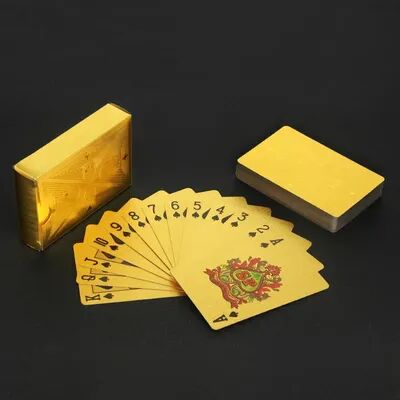
Inspire Daily Merch Waterproof Gold Foil Skull Poker Cards For Gambling Board Game PVC Plastic Magic Cards Flexible Washable Playing Cards Waterproof Gold Foil Skull Poker Cards For Gambling Board Game PVC Plastic Magic Cards Flexible Washable Playing CarUnleash Your Winning Hand with Gold Foil Skull Poker Cards Experience the thrill of the game with these Gold Foil Skull Poker Cards, a musthave for any poker enthusiast or board game lover. Crafted with waterproof PVC plastic, these magic cards are...49,97 $*Shipping: 0,00 $Secure redirect to the provider
-
Goosebumps Entertainment PackRelive the adventures of the hit show in these two novels, and then explore your creativity with more than 90 images in the Official Goosebumps Coloring Book.This set includes:Goosebumps TV: The Haunting ReturnsGoosebumps TV: The Vanished...34,99 $*Shipping: 0,00 $Secure redirect to the provider
-
Can one mix the passé composé and the passé simple in a story?
Yes, it is possible to mix the passé composé and the passé simple in a story. The passé composé is commonly used in spoken French and in modern literature to express actions that are completed in the past, while the passé simple is used in formal writing to narrate specific events or actions that occurred in the past. Mixing these two tenses can add complexity and depth to a story, creating a more dynamic and engaging narrative. However, it is important to use them appropriately to maintain coherence and clarity in the storytelling. **
-
Can you mix the passé composé and the passé simple in a story?
Yes, it is possible to mix the passé composé and the passé simple in a story. The passé composé is commonly used in spoken French to talk about completed actions in the past, while the passé simple is more commonly used in written French to narrate past events. Mixing these two tenses can add complexity and richness to a story, providing a balance between the immediacy of the passé composé and the narrative distance of the passé simple. This combination can create a dynamic and engaging storytelling style. **
-
Imperfect or passé composé when?
The choice between imperfect and passé composé depends on the context and the specific action being described. The imperfect is used to describe ongoing or repeated actions in the past, while the passé composé is used for completed actions. If the action is a one-time event that happened in the past, the passé composé is more appropriate. However, if the action was ongoing or repeated, the imperfect should be used. **
-
What is the difference between the participe passé and the passé composé in French?
In French, the participe passé is a verb form used to form compound tenses like the passé composé. The participe passé is the past participle of a verb, while the passé composé is a compound tense formed by using the auxiliary verb "avoir" or "être" in the present tense followed by the past participle of the main verb. Essentially, the participe passé is a component of the passé composé, which is a complete verb form used to express actions that have been completed in the past. **
Similar search terms for Passé
-
Epiphone Elitist 1965 Casino Outfit Sunburst 2010 Hollow Body Electric Guitar Sunburst - RefurbishedThis is an Epiphone Elitist 1965 Casino Outfit Hollow Body Electric Guitar in Vintage Sunburst finish. Made in Japan in 2010, this guitar consists of a 5-ply Maple body, a Mahogany neck, and a 22-fret Rosewood fingerboard. Other appointments include Grover Vintage 15:1 ratio tuners, an ABR bridge, a Trapeze tailpiece, and a set of Gibson P-90R/T pickups. These pickups are wired to two volume controls, two tone controls, and a 3-way pickup selector. The Mahogany neck plays very well, with the SlimTaper 'D' profile filling the hand nicely for a substantial grip on chords, whilst remaining slim enough for fast articulate playing. The Rosewood fingerboard is pleasant under the fingers and offers a smooth and durable playing surface right the way up the register. The neck binding and parallelogram inlays are nice touches which make the instrument feel premium and unique. The 12" radius works in conjunction with the medium jumbo frets to provide a rock solid and nicely flat playing surface across the register, well suited to a wide range of styles. This Casino comes fitted with two Gibson P-90 pickups, that are really the icing on the cake of this incredibly well-constructed guitar. The P-90T in the bridge gives you all of the crystal clear bite that you would want from such a guitar, perfect for lead or rhythm playing. The P-90R in the neck is as smooth and creamy as it gets, with tones that work so well with the resonance of the body. This guitar is sure to inspire and will become very hard to put down.1820,00 £*Shipping: 0,00 £Secure redirect to the provider
-
What is the difference between the Participe Passé and the Passé Composé in French?
In French, the Participe Passé is a verb form used in compound tenses like the Passé Composé. The Passé Composé is a compound tense that consists of an auxiliary verb (either "avoir" or "être" conjugated in the present tense) followed by the past participle of the main verb. The Participe Passé is the past participle form of a verb, while the Passé Composé is a specific compound tense used to express completed actions in the past. **
-
What is the French Passé Composé?
The French Passé Composé is a compound past tense used to talk about completed actions in the past. It is formed by using a helping verb (either "avoir" or "être" conjugated in the present tense) followed by the past participle of the main verb. The choice between "avoir" and "être" as the helping verb depends on the main verb and whether it is transitive or intransitive. The Passé Composé is one of the most commonly used past tenses in French. **
-
What is the French passé composé?
The French passé composé is a compound past tense used to talk about completed actions in the past. It is formed with the auxiliary verb "avoir" or "être" in the present tense, followed by the past participle of the main verb. The choice between "avoir" and "être" as the auxiliary verb depends on the main verb and whether it is transitive or intransitive. The passé composé is commonly used in spoken and written French to describe specific actions that occurred at a definite point in the past. **
-
When is the passé composé agreed?
The passé composé is agreed in gender and number with the subject when the auxiliary verb is "être." This means that the past participle must agree with the subject in gender and number. However, when the auxiliary verb is "avoir," the past participle does not agree with the subject. **
* All prices are inclusive of VAT and, if applicable, plus shipping costs. The offer information is based on the details provided by the respective shop and is updated through automated processes. Real-time updates do not occur, so deviations can occur in individual cases. ** Note: Parts of this content were created by AI.