Buy journaldescasinos.eu ?
We are moving the project
journaldescasinos.eu .
Are you interested in purchasing the domain
journaldescasinos.eu ?
domain@kv-gmbh.de · 0541-91531010
Buy journaldescasinos.eu ?
Is arcsin(0.5) 30 or not?
No, arcsin(0.5) is not equal to 30. The arcsin function returns the angle whose sine is the given value. In this case, arcsin(0.5) is equal to 30 degrees or π/6 radians. Therefore, the correct statement is that arcsin(0.5) is equal to 30 degrees or π/6 radians, not that it is equal to 30. **
Should I use sin 1 or arcsin?
You should use sin^-1 (arcsin) when you want to find the angle whose sine is a given value. This is the inverse function of the sine function. On the other hand, sin 1 represents the sine of the angle 1, which is a specific value. So, if you want to find the angle that produces a certain sine value, you should use arcsin. **

Similar search terms for Arcsin
Top-Angebote
Products related to Arcsin:
-
Goosebumps Entertainment PackRelive the adventures of the hit show in these two novels, and then explore your creativity with more than 90 images in the Official Goosebumps Coloring Book.This set includes:Goosebumps TV: The Haunting ReturnsGoosebumps TV: The Vanished...34,99 $*Shipping: 0,00 $Secure redirect to the provider


-
Why is arcsin(sin(105°)) equal to 75°?
The function arcsin(sin(x)) "undoes" the function sin(x), meaning it finds the angle whose sine is equal to the given value. In this case, sin(105°) is equal to sin(75°) due to the periodic nature of the sine function. Therefore, arcsin(sin(105°)) is equal to 75°, as it is the angle whose sine is equal to sin(105°). **
-
What is the difference between arctan and arcsin?
The main difference between arctan and arcsin lies in the range of values they can output. Arctan, or the inverse tangent function, takes in a ratio of the opposite and adjacent sides of a right triangle and outputs an angle in the range of -π/2 to π/2. On the other hand, arcsin, or the inverse sine function, takes in a ratio of the opposite and hypotenuse sides of a right triangle and outputs an angle in the range of -π/2 to π/2. In other words, arctan outputs angles in the range of -90 degrees to 90 degrees, while arcsin outputs angles in the same range. **
-
What is the integration of the derivative of arcsin?
The integration of the derivative of arcsin is simply the original function itself, plus a constant of integration. In other words, if we have the derivative of arcsin, which is 1/sqrt(1-x^2), then the integration of this derivative is arcsin(x) + C, where C is the constant of integration. This is a fundamental property of integration and is a result of the inverse relationship between differentiation and integration. **
-
What is the integral of the derivative of arcsin?
The integral of the derivative of arcsin is simply arcsin(x) + C, where C is the constant of integration. This is because the derivative of arcsin is 1/sqrt(1-x^2), and the integral of 1/sqrt(1-x^2) is arcsin(x) + C. **
How do I find the antiderivative of f(x) = arcsin(x)?
To find the antiderivative of f(x) = arcsin(x), you can use integration by parts or substitution. One approach is to use the substitution method, where you let u = arcsin(x) and then find du in terms of dx. After substituting u and du, you can integrate with respect to u and then substitute back in terms of x to find the antiderivative. Another approach is to use integration by parts, where you choose u and dv in the equation ∫udv = uv - ∫vdu, and then integrate by parts to find the antiderivative. **
Why does the arcsin formula in Excel deliver a wrong result?
The arcsin formula in Excel may deliver a wrong result because it is designed to return the principal value of the arcsine function, which is limited to the range of -π/2 to π/2. This means that if the input value is outside of this range, the formula will not return the correct result. Additionally, the arcsin function in Excel uses radians as its unit of measurement, so if the input value is in degrees, it will need to be converted to radians before using the arcsin formula. Finally, due to the limitations of floating-point arithmetic, there may be small rounding errors that can affect the accuracy of the result. **
Top-Angebote
Products related to Arcsin:
-
Real Slot Machine Las Vegas Casino Slots with Flashing Lights and Realistic Jackpot Sounds Pirate Casino Machine Trademark GamesREAL CASINO SLOT MACHINE - This mini slot machine simulates a realistic casino night experience with a working handle and wide spinning reels.64,15 $*Shipping: 0,00 $Secure redirect to the provider
-
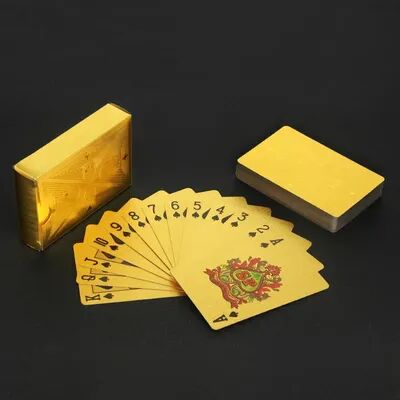
Inspire Daily Merch Waterproof Gold Foil Skull Poker Cards For Gambling Board Game PVC Plastic Magic Cards Flexible Washable Playing Cards Waterproof Gold Foil Skull Poker Cards For Gambling Board Game PVC Plastic Magic Cards Flexible Washable Playing CarUnleash Your Winning Hand with Gold Foil Skull Poker Cards Experience the thrill of the game with these Gold Foil Skull Poker Cards, a musthave for any poker enthusiast or board game lover. Crafted with waterproof PVC plastic, these magic cards are...49,97 $*Shipping: 0,00 $Secure redirect to the provider
-
Goosebumps Entertainment PackRelive the adventures of the hit show in these two novels, and then explore your creativity with more than 90 images in the Official Goosebumps Coloring Book.This set includes:Goosebumps TV: The Haunting ReturnsGoosebumps TV: The Vanished...34,99 $*Shipping: 0,00 $Secure redirect to the provider
-
Is arcsin(0.5) 30 or not?
No, arcsin(0.5) is not equal to 30. The arcsin function returns the angle whose sine is the given value. In this case, arcsin(0.5) is equal to 30 degrees or π/6 radians. Therefore, the correct statement is that arcsin(0.5) is equal to 30 degrees or π/6 radians, not that it is equal to 30. **
-
Should I use sin 1 or arcsin?
You should use sin^-1 (arcsin) when you want to find the angle whose sine is a given value. This is the inverse function of the sine function. On the other hand, sin 1 represents the sine of the angle 1, which is a specific value. So, if you want to find the angle that produces a certain sine value, you should use arcsin. **
-
Why is arcsin(sin(105°)) equal to 75°?
The function arcsin(sin(x)) "undoes" the function sin(x), meaning it finds the angle whose sine is equal to the given value. In this case, sin(105°) is equal to sin(75°) due to the periodic nature of the sine function. Therefore, arcsin(sin(105°)) is equal to 75°, as it is the angle whose sine is equal to sin(105°). **
-
What is the difference between arctan and arcsin?
The main difference between arctan and arcsin lies in the range of values they can output. Arctan, or the inverse tangent function, takes in a ratio of the opposite and adjacent sides of a right triangle and outputs an angle in the range of -π/2 to π/2. On the other hand, arcsin, or the inverse sine function, takes in a ratio of the opposite and hypotenuse sides of a right triangle and outputs an angle in the range of -π/2 to π/2. In other words, arctan outputs angles in the range of -90 degrees to 90 degrees, while arcsin outputs angles in the same range. **
Similar search terms for Arcsin
-
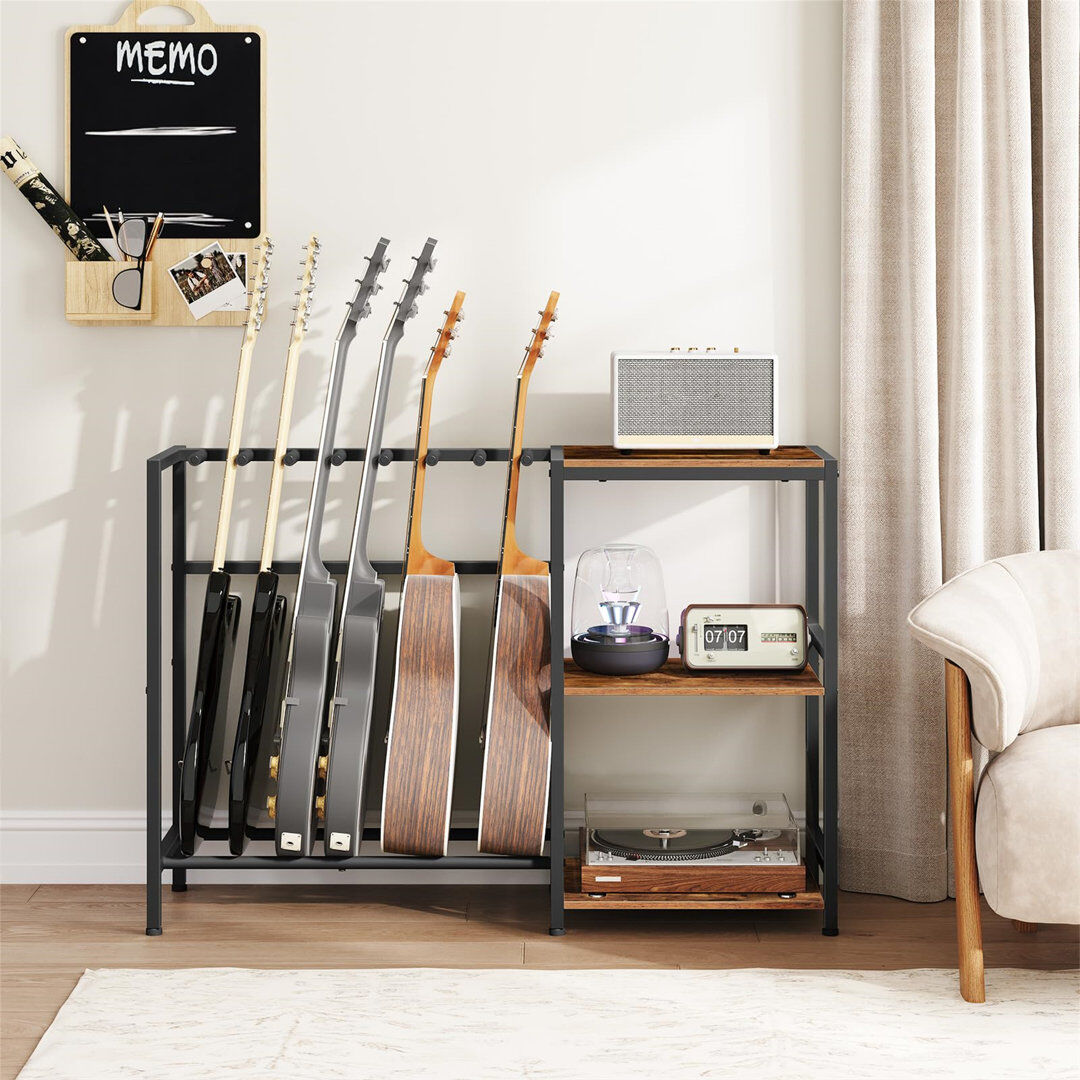
Latitude Run H Entertainment CentreThe guitar display rack can hold up to 6 different types of string instruments, such as acoustic, electric guitar, bass, and banjo. The side rack with 3-tier storage for record player and speaker, keeps your music space neat and organized Latitude Run127,99 £*Shipping: 0,00 £Secure redirect to the provider
-
What is the integration of the derivative of arcsin?
The integration of the derivative of arcsin is simply the original function itself, plus a constant of integration. In other words, if we have the derivative of arcsin, which is 1/sqrt(1-x^2), then the integration of this derivative is arcsin(x) + C, where C is the constant of integration. This is a fundamental property of integration and is a result of the inverse relationship between differentiation and integration. **
-
What is the integral of the derivative of arcsin?
The integral of the derivative of arcsin is simply arcsin(x) + C, where C is the constant of integration. This is because the derivative of arcsin is 1/sqrt(1-x^2), and the integral of 1/sqrt(1-x^2) is arcsin(x) + C. **
-
How do I find the antiderivative of f(x) = arcsin(x)?
To find the antiderivative of f(x) = arcsin(x), you can use integration by parts or substitution. One approach is to use the substitution method, where you let u = arcsin(x) and then find du in terms of dx. After substituting u and du, you can integrate with respect to u and then substitute back in terms of x to find the antiderivative. Another approach is to use integration by parts, where you choose u and dv in the equation ∫udv = uv - ∫vdu, and then integrate by parts to find the antiderivative. **
-
Why does the arcsin formula in Excel deliver a wrong result?
The arcsin formula in Excel may deliver a wrong result because it is designed to return the principal value of the arcsine function, which is limited to the range of -π/2 to π/2. This means that if the input value is outside of this range, the formula will not return the correct result. Additionally, the arcsin function in Excel uses radians as its unit of measurement, so if the input value is in degrees, it will need to be converted to radians before using the arcsin formula. Finally, due to the limitations of floating-point arithmetic, there may be small rounding errors that can affect the accuracy of the result. **
* All prices are inclusive of VAT and, if applicable, plus shipping costs. The offer information is based on the details provided by the respective shop and is updated through automated processes. Real-time updates do not occur, so deviations can occur in individual cases. ** Note: Parts of this content were created by AI.